

double pane glass panels
The 90-Degree Angle Ruler A Tool for Precision and Creativity In the world of design, architecture, and various forms of craftsmanship, the 90-degree angle ruler stands as an indispensable tool. This seemingly simple instrument is the backbone of many projects, ensuring that our constructions, drawings, and designs meet both aesthetic and functional criteria. Whether you're an experienced architect, a budding artist, or a DIY enthusiast, understanding the significance of the 90-degree angle ruler can enhance your future endeavors. Understanding the 90-Degree Angle At the heart of the 90-degree angle ruler lies the understanding of angles themselves. An angle is formed by two rays that meet at a common point, called the vertex. The 90-degree angle, also known as a right angle, is a quarter of a complete revolution (360 degrees). In practical terms, right angles can be found in the corners of squares and rectangles, making them fundamental to creating stable structures and accurate representations in drawings. The Design of the Ruler A 90-degree angle ruler typically features a triangular shape, with one angle measuring exactly 90 degrees. This design often includes markings along the edges for measuring lengths, which can enhance precision during the construction or drawing process. Many rulers also come with additional markings, such as centimeters, inches, and sometimes even angles, allowing for a myriad of functions beyond merely establishing right angles. The material used for these rulers ranges from wood and plastic to metal, each offering different benefits. For instance, wooden rulers are often favored for their aesthetic appeal and electromagnetic neutrality, while metal rulers deliver robustness and durability for heavy-duty tasks. A plastic ruler can be lightweight and portable, ideal for quick sketches or layouts on job sites. Applications in Various Fields 90 degree angle ruler The applicability of a 90-degree angle ruler spans various fields. In architecture, it is crucial for establishing the foundation of structures, ensuring that walls are perpendicular and corners are square. An accurate layout affects not only the visual symmetry of a building but also its structural integrity. Without precise angles, a building may suffer from various issues, including water leakage due to improper drainage or load distribution problems. In graphic design and illustration, the 90-degree angle ruler helps artists maintain accuracy in their work. Whether drafting architectural plans or creating intricate geometric patterns, a right angle is essential for maintaining the visual harmony of the composition. This tool allows artists to create grids and guidelines, enabling them to achieve symmetrical designs effortlessly. For hobbyists or DIY enthusiasts, the 90-degree angle ruler is equally important. When undertaking home improvement projects or crafting, ensuring that your cuts are precise can make a significant difference in the final look of the project. It assists in creating cabinets, picture frames, or even model kits where precision is key to achieving a polished result. Enhancing Creativity and Functionality While the 90-degree angle ruler is primarily a tool for accuracy, it also serves to expand creativity. Artists and designers often find that the discipline of working with exact measurements opens new pathways for innovation. With a solid understanding of how to manipulate right angles, one can explore varying levels of abstraction and complexity in their designs. Furthermore, because many modern designs require fluid and organic shapes, the traditional 90-degree angle ruler can be complemented with curved rulers or templates. This marriage of functionality and creativity leads to more versatile designs, subtly blending precision with artistic expression. Conclusion The 90-degree angle ruler may seem like a mundane tool, but its importance in various fields cannot be overstated. It symbolizes both precision and the foundational principles of design. From ensuring that structures stand firm and true to fostering creativity in the arts, this ruler is a testament to the idea that the simplest tools often have the most profound impact. As we continue to create and build, the humble 90-degree angle ruler will remain a staple in the toolkit of professionals and amateurs alike, balancing the intricacies of geometry with the beauty of creative vision.
about
double pane glass panels
Understanding the 2-Inch Check Valve Importance, Functionality, and Applications The 2-inch check valve is a critical component in many fluid systems, serving as a simple yet effective solution to prevent backflow. This essential mechanical device is designed to allow fluid to flow in one direction only, ensuring that systems operate efficiently and safely. What is a Check Valve? At its core, a check valve is a type of flow control device that opens with the forward flow of fluid and closes when there is a reverse flow. The mechanics behind this operation rely on the valve's internal components, which typically include a disc or ball that moves within the valve body. When fluid pressure is applied from one side, the valve opens, allowing the fluid to pass through. Conversely, if the pressure decreases or reverses, the valve closes, effectively preventing backflow. Why Choose a 2-Inch Check Valve? The size of the valve, in this case, 2 inches, denotes the diameter of the pipe it connects to. This size is suitable for various applications, particularly in residential and light industrial contexts. It strikes a good balance between flow capacity and space efficiency, making it a popular choice for plumbing, sewage systems, and irrigation setups. Key Features and Benefits 1. Preventing Backflow The most significant advantage of a check valve is its ability to prevent backflow, which can cause contamination, equipment damage, and system inefficiencies. In applications where fluids need to remain uncontaminated—such as potable water systems—the 2-inch check valve becomes indispensable. 2. Maintenance-Free Operation Typically, check valves require minimal maintenance, as they are designed to be self-activating. This simplicity reduces operational costs and minimizes downtime, allowing systems to run smoothly without frequent checks. 3. Versatile Applications The 2-inch check valve can be used in various scenarios. From irrigation systems that require water to flow in one direction to HVAC systems and industrial processes that need to pump fluids efficiently, this valve's adaptability makes it a valuable asset across industries. 2 inch check valve 4. Durability Many 2-inch check valves are made from durable materials such as brass, stainless steel, or PVC, which can withstand corrosive fluids and high temperatures. The choice of material will often depend on the specific application and the fluid being handled. 5. Easy Installation The installation of a 2-inch check valve is generally straightforward. It can be fitted inline in existing piping systems, and with their common size, they are compatible with various fittings and fixtures. Applications in Different Industries 1. Water Supply Systems In municipal water supply and sewage systems, 2-inch check valves help maintain pressure and prevent back-siphonage, ensuring clean water delivery to homes and businesses. 2. Agriculture In irrigation systems, these valves are essential for ensuring that water only flows to areas that need it, helping to conserve water and maximize agricultural efficiency. 3. Industrial Processes Many industrial operations utilize check valves to regulate the flow of liquids in manufacturing processes, often dealing with hazardous materials where preventing backflow is critical for safety. 4. HVAC Systems In heating and cooling systems, check valves ensure that refrigerants and water circulate correctly to optimize system performance. Conclusion The 2-inch check valve plays a vital role in numerous applications, vital for ensuring system efficiency and safety. By understanding its function and benefits, industries can make informed decisions to enhance their fluid management systems. Whether in residential plumbing, agricultural irrigation, or complex industrial processes, a reliable check valve is essential for robust and sustainable operation.
-

High quality industrial productsagement

High quality industrial products
View Details -

Meet the diverse needs of customers

Meet the diverse needs of customers
View Details -

Strict quality control

Strict quality control
View Details -

Top raw materials

Top raw materials
View Details -

Trusted supplier

Trusted supplier
View Details
Our application

news and information
Y Shaped Strainer for Efficient Filtration and Fluid Management Solutions
Understanding Y-Shaped Strainers Essential Components in Fluid Systems In various industrial and com
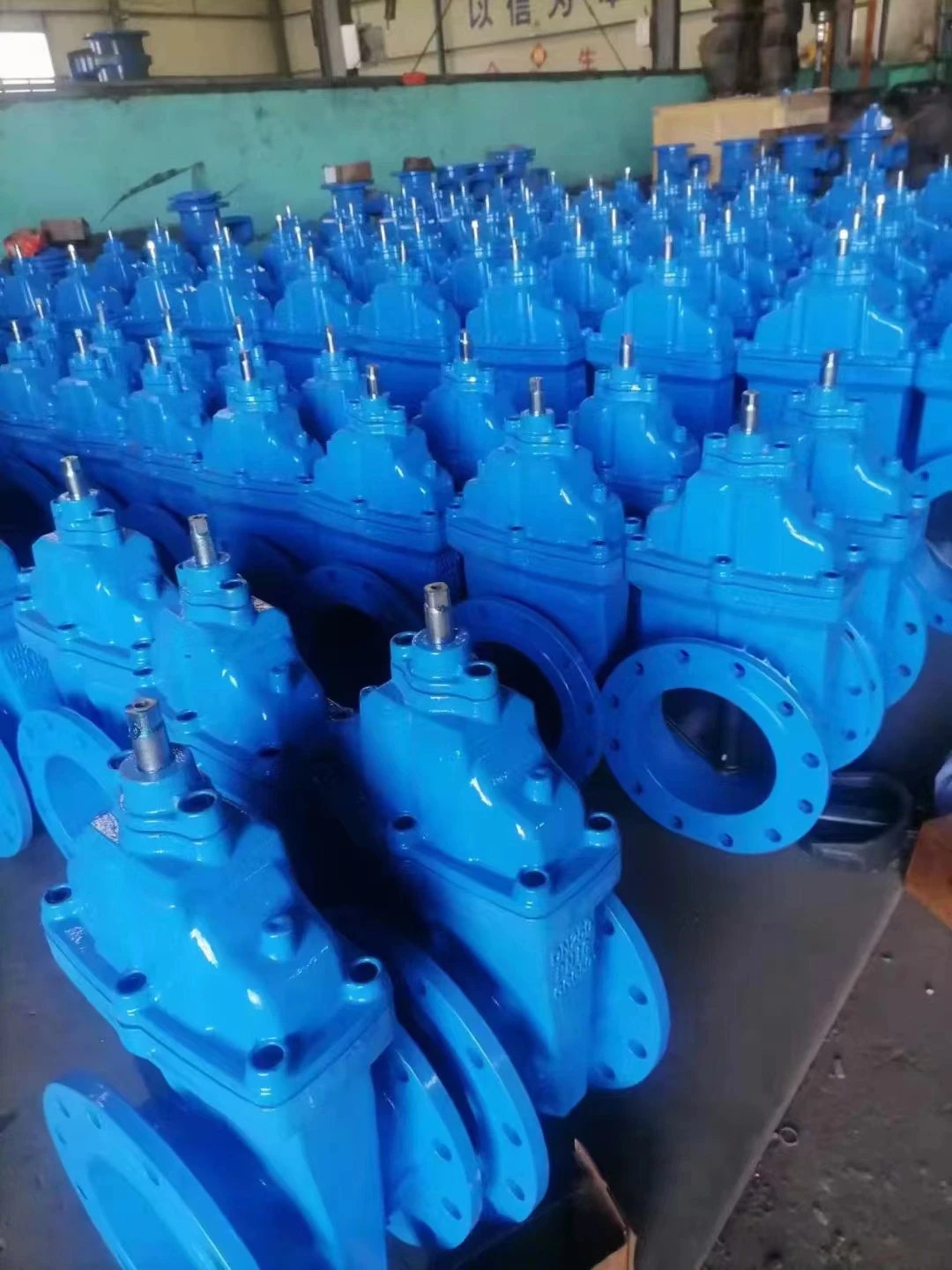
water shut-off valve
Understanding Water Shut-Off Valves Importance, Types, and Installation Water shut-off valves are es
Versatile and Durable Metal Angle Brackets for Adjustable Applications in Home and Industrial Projec
The Versatility and Utility of Adjustable Metal Angle Brackets In the world of construction and DIY
 English